Kala Bharti, Prayag (1938)
Reconstructing a Forgotten Chapter in the Cultural History of Allahabad
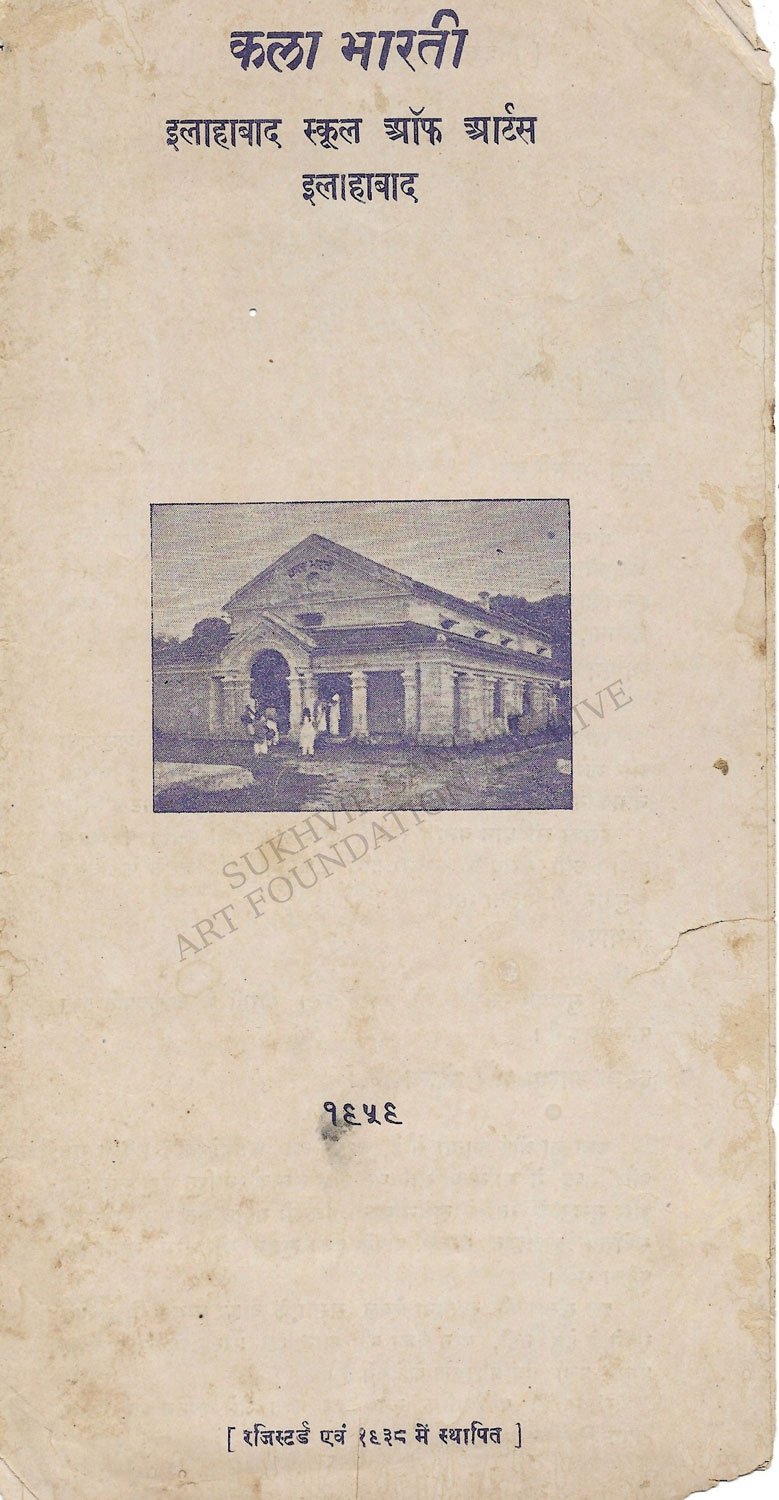
Among the many contributions of Prof. Sukhvir Sanghal (1914–2006), one of the least documented yet most significant was the establishment of Kala Bharti in Prayag (Allahabad) in 1938. Long before he joined the Government School of Arts and Crafts, Lucknow, and decades where he became known for his pioneering work in wash painting and Indian aesthetics, Sanghal envisioned an institution where the visual and performing arts could flourish under a common cultural and educational framework.
Today, surviving prospectuses, photographs, institutional records, testimonials, and newspaper references preserved within the Sukhvir Sanghal Digital Archive reveal the remarkable story of an institution that played an important role in the artistic and cultural life of Allahabad during the mid-twentieth century.
Kala Bharti sought to unite painting, sculpture, music, dance, and applied arts under a single cultural vision.
The Founding of Kala Bharti
According to surviving records, Kala Bharti was established on 2 February 1938 in Prayag by Prof. Sukhvir Sanghal. Initially functioning as the Allahabad School of Arts, the institution was formally registered on 28 October 1940 following discussions with distinguished cultural and national figures, including Dr. Rajendra Prasad, Rai Krishan Das, and Mahadevi Verma. It subsequently evolved into Kala Bharti.
At a time when art education in India was largely confined to specialized schools focusing on a single discipline, Kala Bharti adopted a broader vision. It sought to unite painting, sculpture, music, dance, and applied arts under one institution, reflecting the traditional Indian understanding that artistic disciplines are interconnected expressions of culture.
The institution described itself as one of the few centres in the province devoted to both fine arts and practical arts education.
A Centre for Fine Arts and Cultural Education
- Painting (Chitrakala)
- Sculpture (Murtikala)
- Vocal Music
- Instrumental Music
- Dance
- Decorative Arts
- Needlework and Embroidery
- Design and Craftsmanship
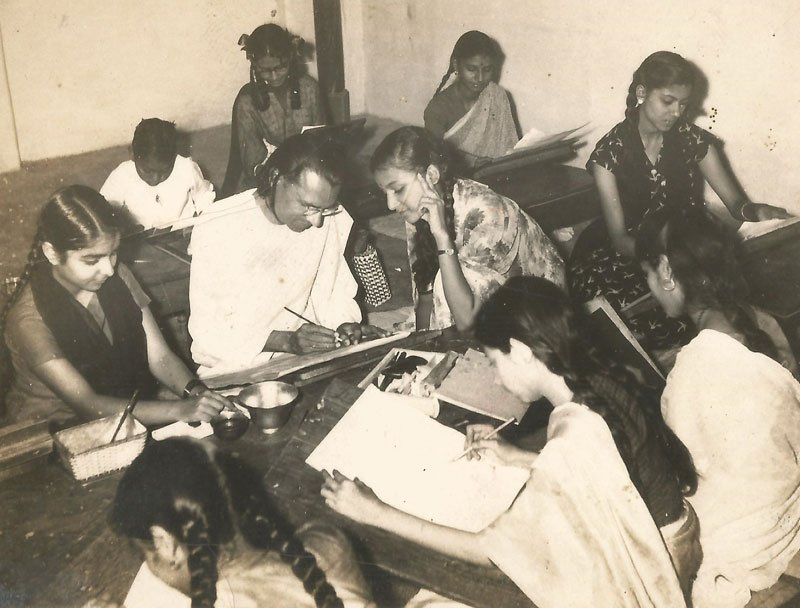
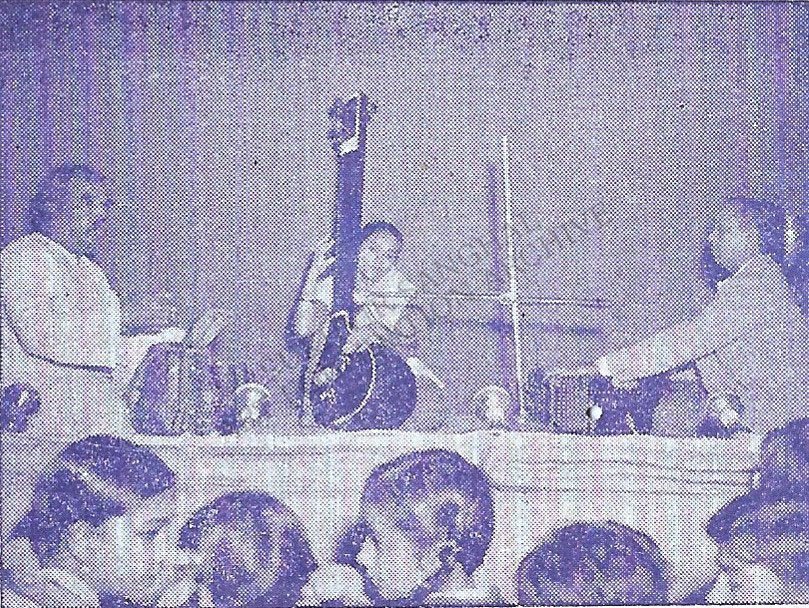
Archival photographs preserved in the prospectus depict students engaged in painting classes, vocal music training, instrumental instruction, and dance performances, illustrating the institution's vibrant and multidisciplinary environment.
The objective was not merely to teach technical skills but to cultivate artistic sensitivity, cultural awareness, discipline, and intellectual growth.
Philosophy and Vision
One of the most revealing sections of the Kala Bharti prospectus is titled "Hamari Shraddha aur Sankalp" (Our Faith and Resolve).
The document emphasizes that art originates from spiritual experience and that meaningful artistic education depends upon a close relationship between teacher and student. Kala Bharti viewed art not as a commercial activity but as a path toward self-cultivation, aesthetic refinement, and cultural enrichment.
These ideas would later become central to Prof. Sanghal's own artistic philosophy. Throughout his life he emphasized the Indian concept of rasa and believed that art should communicate emotional and spiritual truths rather than merely visual appearances. The prospectus further states that Kala Bharti existed to promote artistic inspiration, education, and cultural development rather than commercial success.
Distinguished Patrons and Office Bearers
| Position | Name |
|---|---|
| Chancellor | Shri Sridhar Nath Sinha, ICS |
| Vice Chancellor | Justice A. P. Srivastava |
| Vice President | Prof. Sukhvir Sanghal |
| Treasurer | Shri Madan Mohan Tayal |
| Secretary | Prof. Narayan Mishra |
| Manager | Mrs. Shushila Devi |
The Kala Bharti Parishad
Beyond its executive office bearers, Kala Bharti was guided by an influential advisory body known as the Kala Bharti Parishad.
- Kunwar Vishwanath Pratap Singh(later Prime Minister of India)
- Mahadevi Varma
- Asit Kumar Haldar
- Rai Krishna Das
- Dr. S. R. Ranganathan
- Dr. Vasudev Sharan Agrawal
- Dr. Ram Prasad Tripathi
Kala Gurus and Faculty of Kala Bharti
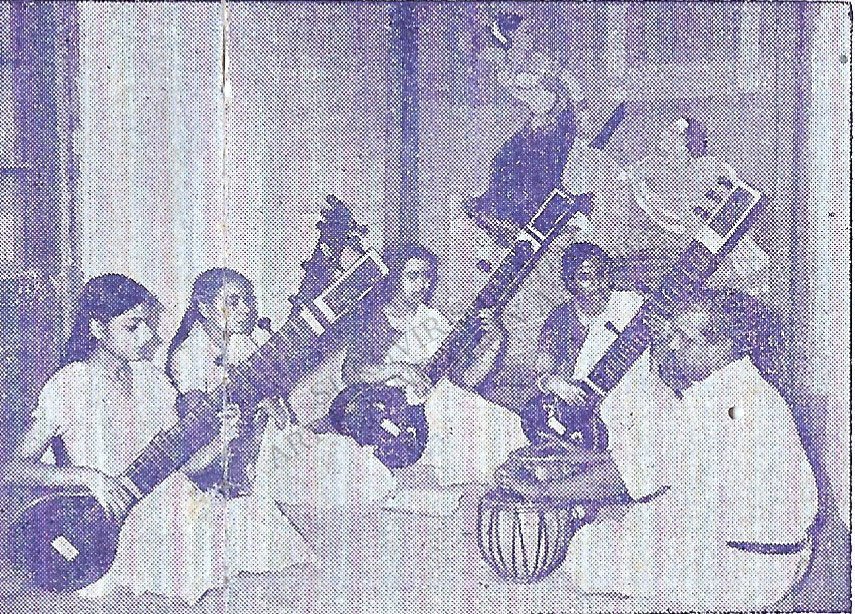
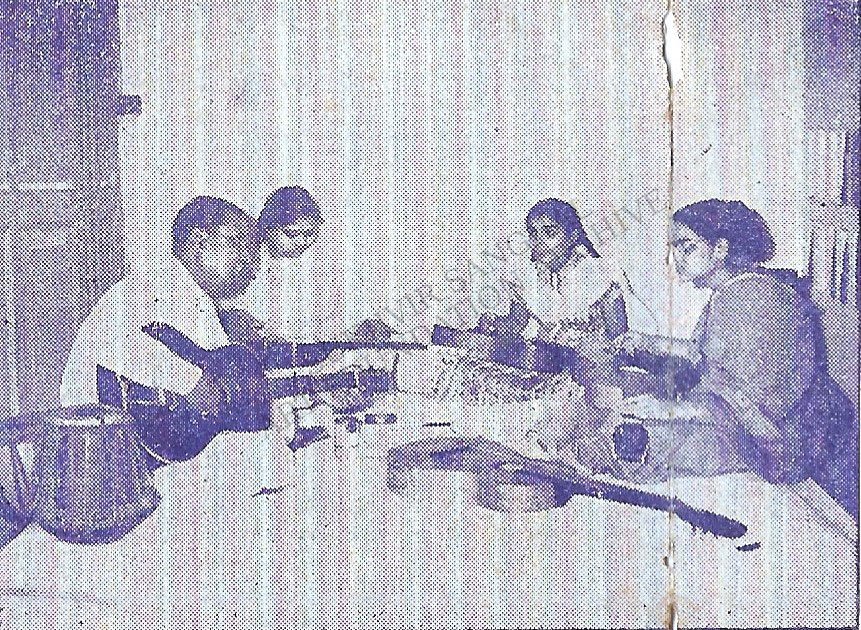
A distinguishing feature of Kala Bharti was the calibre and diversity of its teaching faculty.
Painting
- Prof. Sukhvir Sanghal
Music and Vocal Training
- Pandit Bholanath Bhatt
- Prof. B. N. Thkaar
- Prof. Hrishikesh Chaturvedi
Instrumental Music
- Ustad Barkat Ali
- Shri Jagadamba Prasad Sharma
- Shri Jivan Mazumdar
- Shri G. P. Sharma
- Shri Nalin Mazumdar
Prof. Sukhvir Sanghal personally travelled across India, including Madras (Chennai), to identify accomplished musicians, dancers, and art educators for his students.
Expansion and Public Reach
The prospectus records branch centres in different parts of Allahabad, including locations on: Lowther Road Mahatma Gandhi Marg Jangiganj.
The institution reportedly served approximately 2,000 students, an extraordinary figure for an arts institution of the period.
The records also note substantial participation by women students, reflecting Kala Bharti's progressive and inclusive character.
Future plans outlined in the prospectus included:
- A dedicated Kala Bharti building
- An art gallery
- A library
- Publication programmes
- Scholarships
- Expanded opportunities for students and artists
These ambitions reveal the scale of Sanghal's vision for the institution.
Contemporary Recognition and Public Appreciation
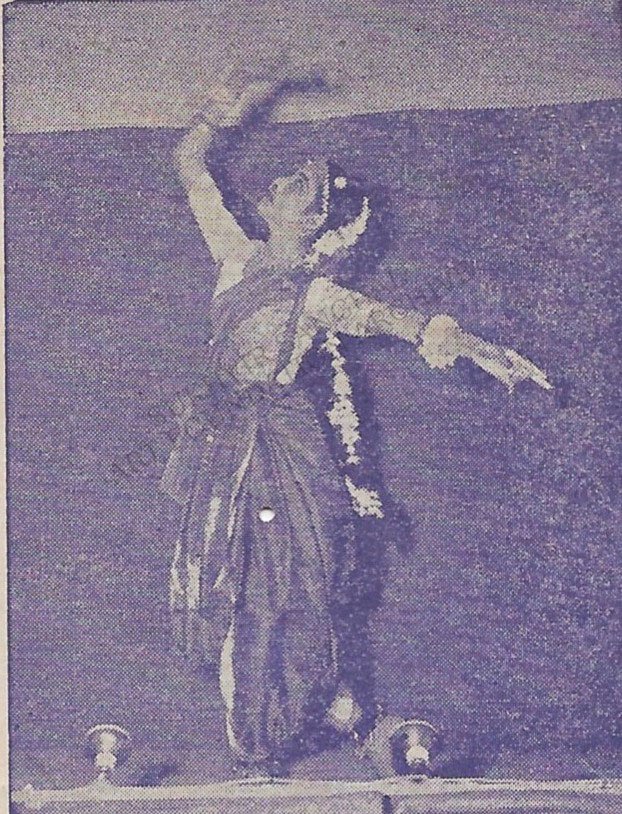
The reputation of Kala Bharti extended well beyond its classrooms.
"This is a pleasure to visit the Allahabad School of Arts. The art work displayed here is very good. Some of the studies, such as the serial study of Hindu Marriage and works depicting the problems facing Indian peasants and labourers, are very interesting. I have not seen such studies elsewhere. The fact that the institution has several branches in the city is a tribute to its popularity."
— Dr. Sampurnanand, Chief Minister of Uttar Pradesh
"one such devoted artist who has taken up this cause with rare ability and great sincerity."
— Amrit Bazaar Patrika, 4 Feb 1957
"The Kala Bharati has acquired a place for itself amongst the famous institutions of Allahabad..."
— National Herald, 18 May 1958
Testimonials from Purushottam Das Tandon, Dr. Sampurnanand, and contemporary newspapers demonstrate the esteem in which Kala Bharti was held.
Legacy
Although Kala Bharti has received relatively little attention in histories of modern Indian art, surviving archival records reveal an ambitious experiment in multidisciplinary arts education led by a young Prof. Sukhvir Sanghal.
Many of the principles that later defined his artistic career can already be seen in the institution:
- The unity of artistic disciplines
- Respect for Indian cultural traditions
- The educational role of art
- The cultivation of aesthetic sensitivity
- The integration of art and society
Supported by eminent personalities such as Mahadevi Varma, Rai Krishna Das, Justice A. P. Srivastava, Dr. Sampurnanand, Purushottam Das Tandon, Dr. S. R. Ranganathan, and even the future Prime Minister of India, V. P. Singh, Kala Bharti emerged as one of the significant cultural institutions of mid-twentieth-century Allahabad.
Today, its surviving prospectuses, photographs, testimonials, and records stand as valuable evidence of Prof. Sukhvir Sanghal's vision as an artist, educator, institution-builder, and cultural pioneer. Through Kala Bharti, he demonstrated that art could serve not merely as a profession, but as a powerful force for education, cultural continuity, and social enrichment.
Research & Compilation