Reconstructing the Earliest Years of Prof. Sukhvir Sanghal's Artistic Mission
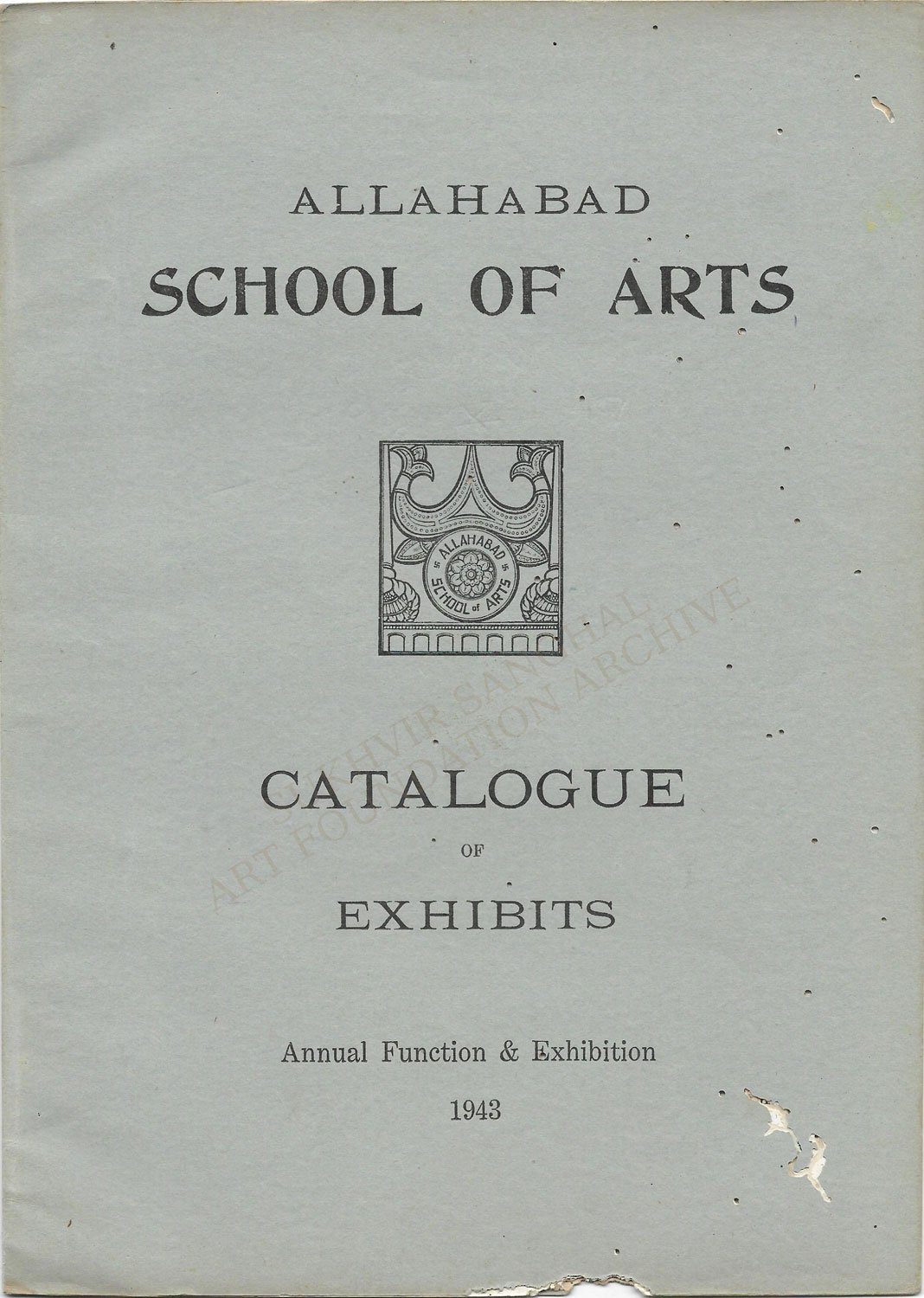
Among the surviving documents connected to Prof. Sukhvir Sanghal, few are as historically significant as the Catalogue of Exhibits published for the Annual Function and Exhibition of the Allahabad School of Arts in 1943. Preserved for more than eight decades, this rare catalogue provides direct evidence of the institution's formative years and offers a first-hand account of Sanghal's educational vision, artistic philosophy and efforts to establish a centre for art education in Allahabad during the final years of British India.
Introduction
The 1943 catalogue is one of the earliest surviving documents associated with Prof. Sukhvir Sanghal. It predates Kala Bharti and captures a moment when a young artist trained under Asit Kumar Haldar was attempting to establish an alternative model of art education rooted in Indian artistic traditions.
Founding an Art School in Allahabad
In the introductory statement published in the catalogue, Sanghal reflects upon the motivations that led him to establish the Allahabad School of Arts. After studying under the Bengal School master Asit Kumar Haldar, he became increasingly dissatisfied with what he considered a superficial understanding of art within contemporary educational institutions.
“The desire to take a hand in the revival of art-cultivation in the Province had long been awakened...” — S. Sanghal, Director, Allahabad School of Arts, 1943
The Official Establishment of the School
The catalogue records that the Allahabad School of Arts was formally inaugurated on 15 August 1940 by Pt. Amarnath Jha, Vice-Chancellor of Allahabad University. Beginning with only four students, the institution expanded rapidly over the next three years.
Beyond Painting: A Comprehensive Arts Curriculum
The significance of these documents lies not merely in their connection to Government House but in what they reveal about the broader role of the Allahabad School of Arts. The institution served as a meeting place where artistic practice, education and public life intersected.
Students came from a variety of backgrounds, and the School's exhibitions attracted attention from influential figures within the city. Through his work as an artist, teacher and organiser, Sanghal helped establish one of the most active cultural institutions in the region.
The catalogue reveals that the institution had already begun introducing applied arts, leather work, tapestry making, clay modelling and other allied disciplines alongside painting.
- Drawing & Painting
- Applied Arts
- Leather Work
- Tapestry Making
- Clay Modelling
- Sculpture (planned)
The 1943 Annual Exhibition
The principal purpose of the catalogue was to accompany the annual exhibition held in 1943. The exhibition demonstrated the progress of students from elementary exercises to mature artistic expression.
Prof. Sanghal's Own Exhibits
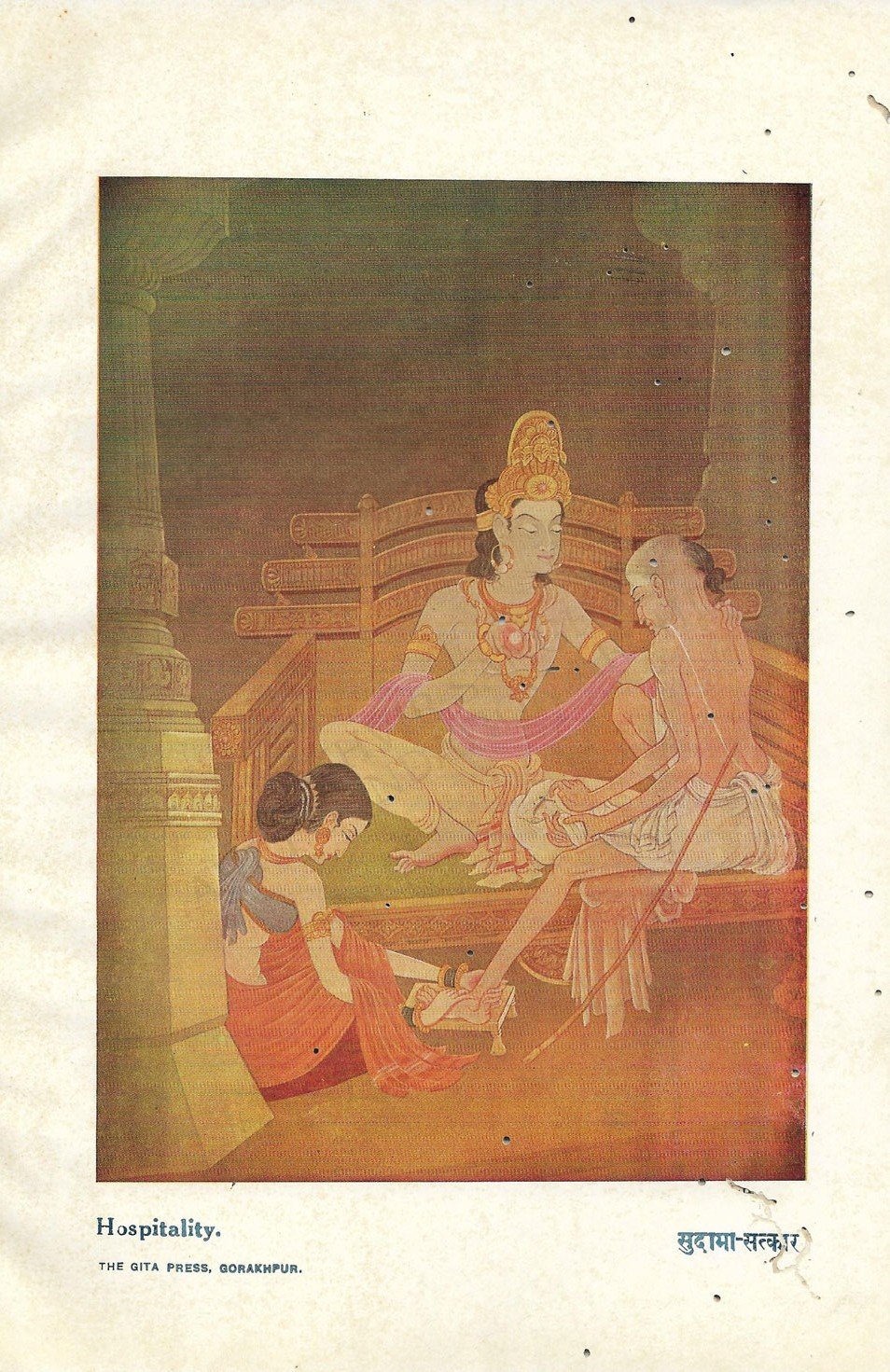
Twenty-two works by S. Sanghal were displayed during the exhibition, including themes related to marriage rituals, mythology, Buddha, village life and landscape studies.
Selected Works
- Reception of the Bride
- Departure of the Bride
- Harmony of Life
- Dawn and Night
- Temptation of Buddha
- Departure of Rama
- Village Huts
- Evening Light
- Hills
Historical Significance
The 1943 catalogue is more than an exhibition brochure. It is a foundational document in the history of modern Indian art education. It records the establishment of the Allahabad School of Arts, the educational philosophy of Prof. Sukhvir Sanghal and the emergence of one of North India's significant independent artistic institutions.
Research & Compilation